

So you've found your wedding dress, but don't sit down just yet; the journey doesn’t stop there. The next crucial step is making sure it fits flawlessly. Even a designer gown straight from the boutique will need adjustments to complement your body perfectly. Wedding dress alterations refine the gown’s proportions, enhance comfort, and ensure you feel utterly confident as you walk down the aisle.
Why Alter At All?
Every body is unique, and bridal gowns are made to standard sizes rather than individual measurements. Alterations bridge that gap, nipping and tucking each dart and pleat until your gown feels like it was created especially for you.
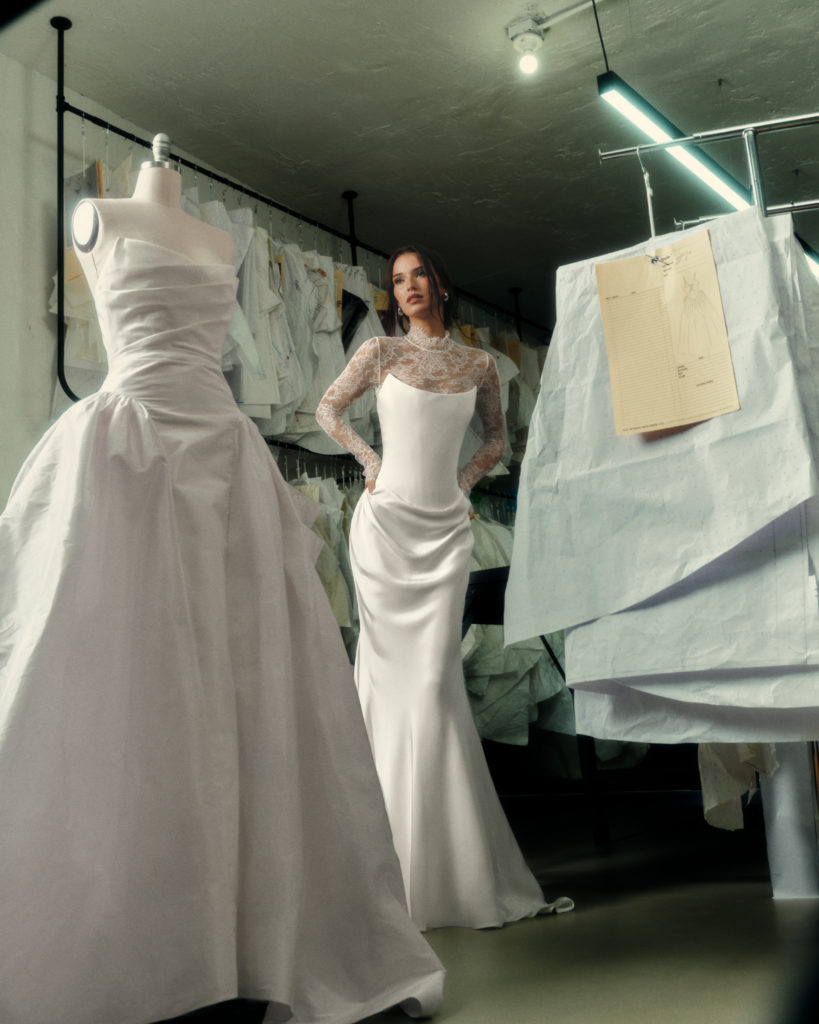
Skilled tailoring doesn’t just focus on aesthetics; it’s also about movement, comfort, and support. A wedding dress that fits properly won’t shift, pull, or wrinkle as you walk, sit, or dance, making sure you can relax and enjoy your day to the fullest!
Understanding the Process
Alterations are usually carried out over two or three fittings, although this really depends on the complexity of your dress. Your boutique will either offer in-house tailoring or recommend trusted professionals who specialise in wedding gowns. At the first appointment, your seamstress will take (shockingly) detailed measurements, pin any areas that need adjustment, and sit down to discuss your comfort and silhouette preferences.
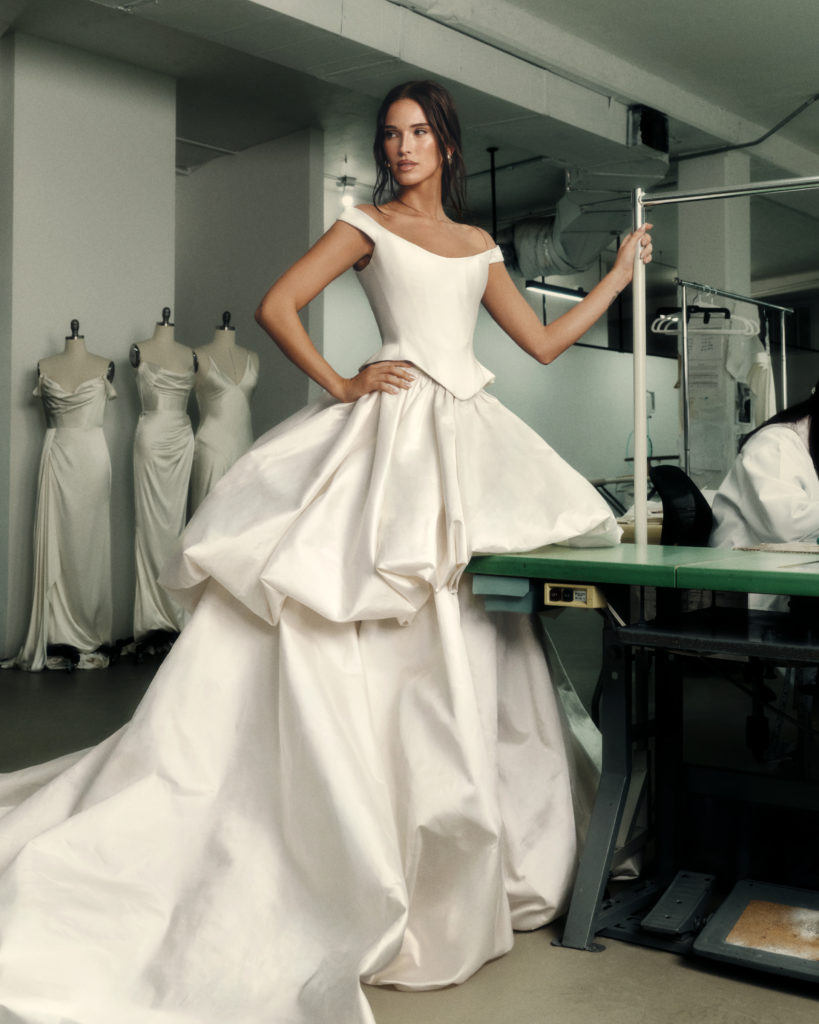
These adjustments can include reshaping the bodice, adjusting straps or sleeves, or shortening the hem so it skims the floor perfectly when paired with your heels. If your gown has a train, the seamstress might also design a bustle to lift it elegantly for the reception. If you're walking down the aisle in an intricate gown with lace overlays, beading, or corsetry, you can expect the process to take longer. These materials require precision, and additional time ensures that every stitch preserves the integrity of the design.
When Do I Start?
Brides should expect to start the alteration process roughly three to six months before the wedding. This gives you enough time for several fittings, any last-minute adjustments, and for your gown to be perfectly pressed and ready ahead of the day. If your dress is being custom-made or heavily embellished, give yourself some extra time and start closer to the six-month mark.
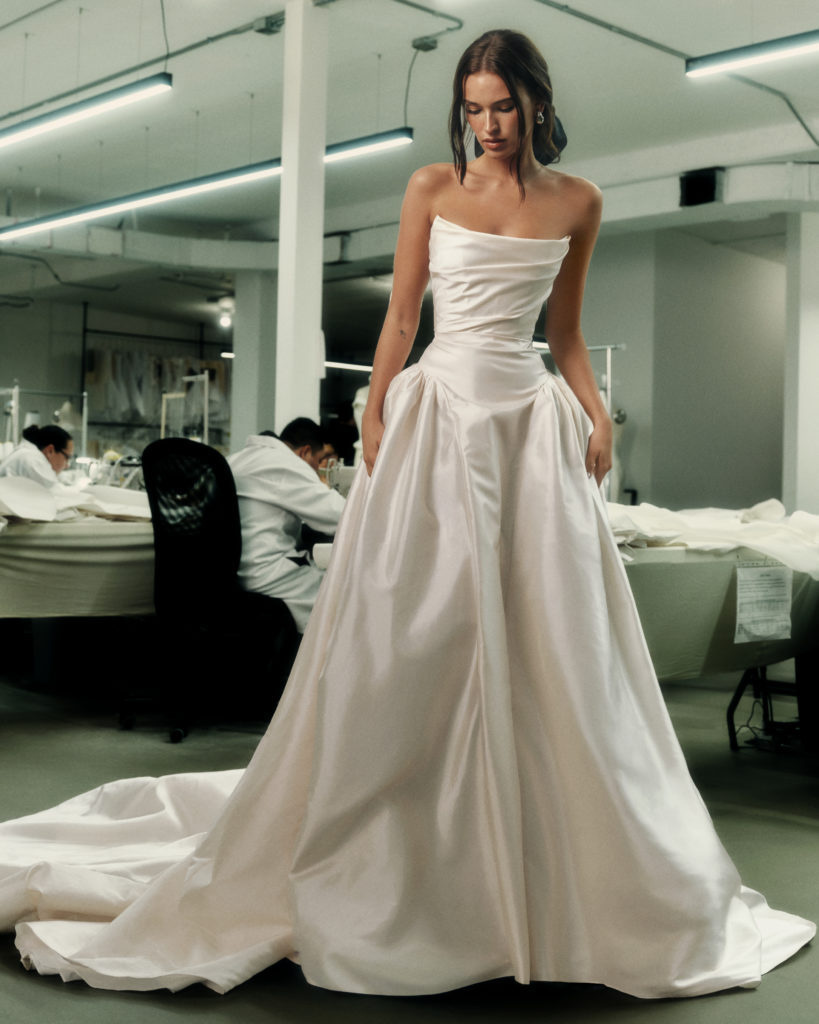
As with almost every other wedding vendor, booking early also secures your slot with a trusted seamstress, as alteration specialists can fill up during peak wedding season. If you’re losing or gaining weight, discuss a flexible timeline with your tailor; they can schedule your final fitting closer to the wedding to ensure the fit remains perfect.
Preparing for Your First Fitting
Preparation makes a significant difference in how your gown is tailored. Bring the shoes and underwear you plan to wear on your wedding day, as both influence the gown’s length and structure. If your dress features a low back, corset top, or sheer bodice, the proper undergarments are crucial for achieving a precise fit; knowing in advance if your expensive bra won't work with the neckline will save you a whole lot of tears on the day!
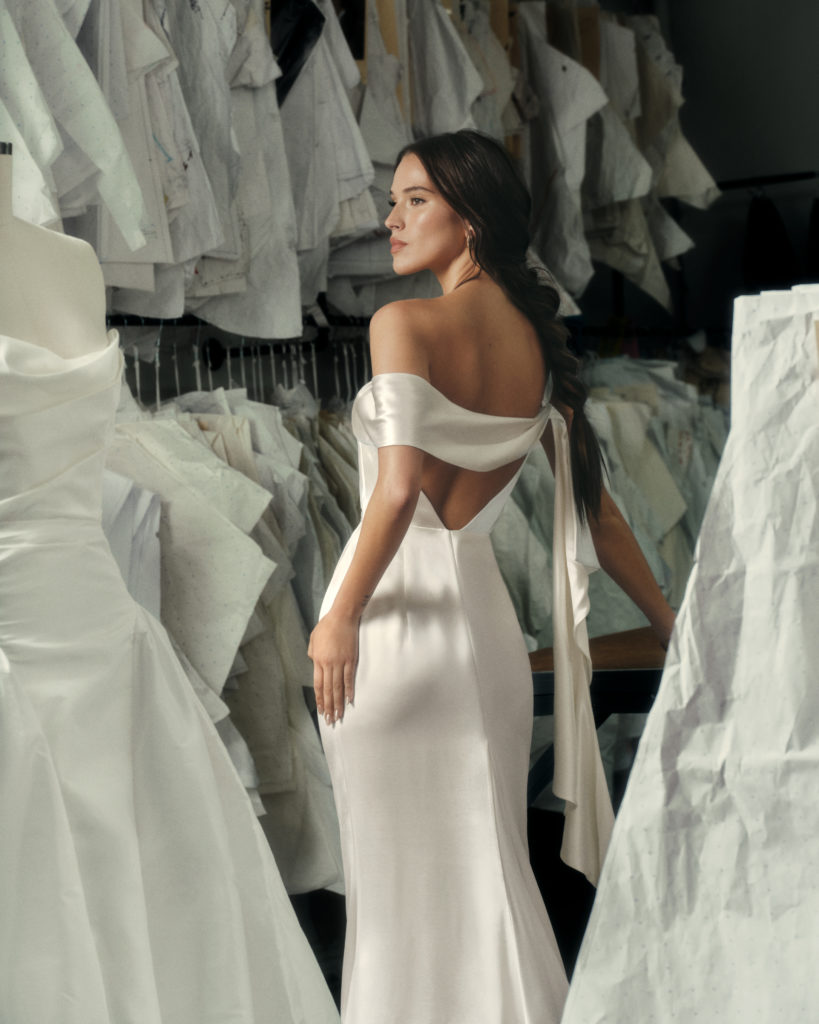
I would also strongly advise you to bring your veil, jewellery, and any other accessories you plan to wear. These small details can influence neckline adjustments or shoulder positioning.
Common Alterations Explained
- Hemming: The most common adjustment ensures your dress just skims the floor while allowing easy movement.
- Bodice Reshaping: Adjusting the bust, waist, and hips helps create a smooth, secure fit that flatters your figure.
- Straps and Sleeves: These can be tightened, shortened, or adjusted for comfort and symmetry.
- Bustle Creation: Adds hidden loops or buttons to lift the train for the reception, keeping your dress elegant yet practical.
- Neckline Adjustments: Subtle changes can create a more balanced or modern look while maintaining structural integrity.
How do I Pick the Right Seamstress?
Finding the right professional is as important as choosing the right gown. Look for someone with extensive experience in bridalwear, as wedding dresses require a specialist touch. A skilled tailor understands how to handle delicate fabrics, such as silk, tulle, or chiffon, and can make precise alterations without distorting the design.
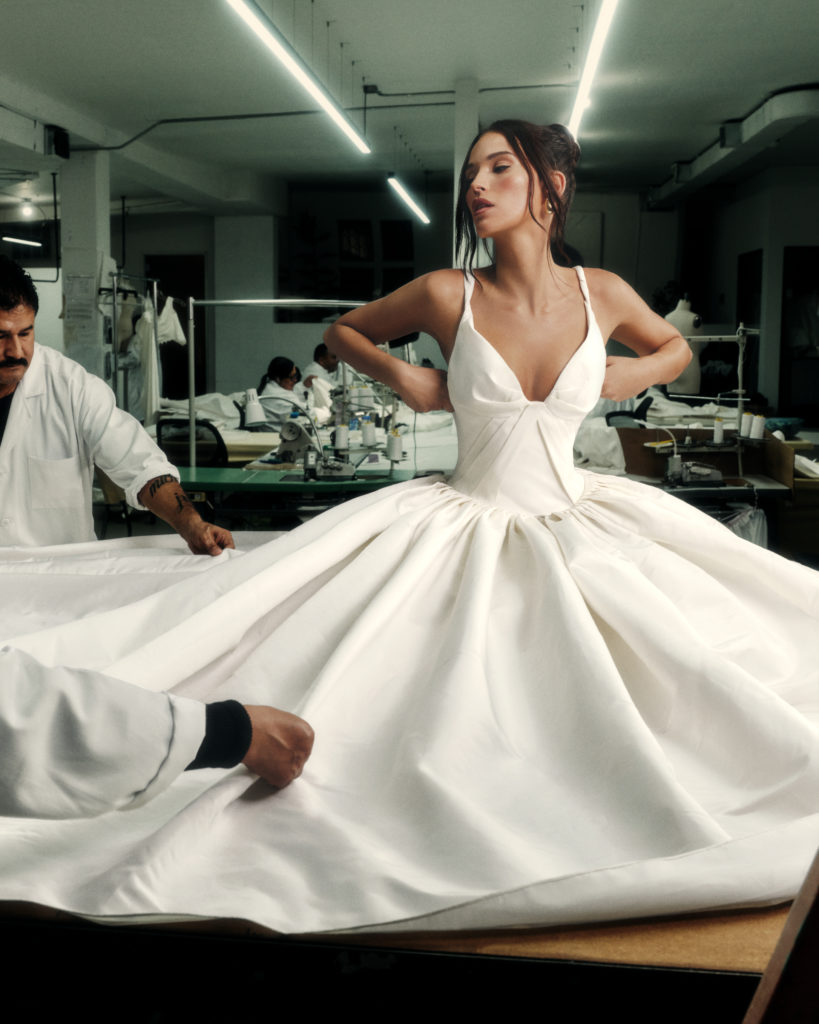
If you're worried that your own research won't be enough, ask your bridal boutique for recommendations or search for reviews from previous brides. A reputable seamstress should be able to show examples of past work and explain the process clearly. Trust and communication are key; you should feel confident that your dress is in expert hands.
After the Final Fitting
Once your gown fits perfectly, proper storage becomes vital. Please keep it in a breathable garment bag, never in plastic, to prevent moisture build-up, lest you want mould to develop on the rather pricey fabric. Hang it in a cool, dry place, away from direct sunlight, and ensure there’s enough space around it to avoid creasing or crushing delicate embellishments.
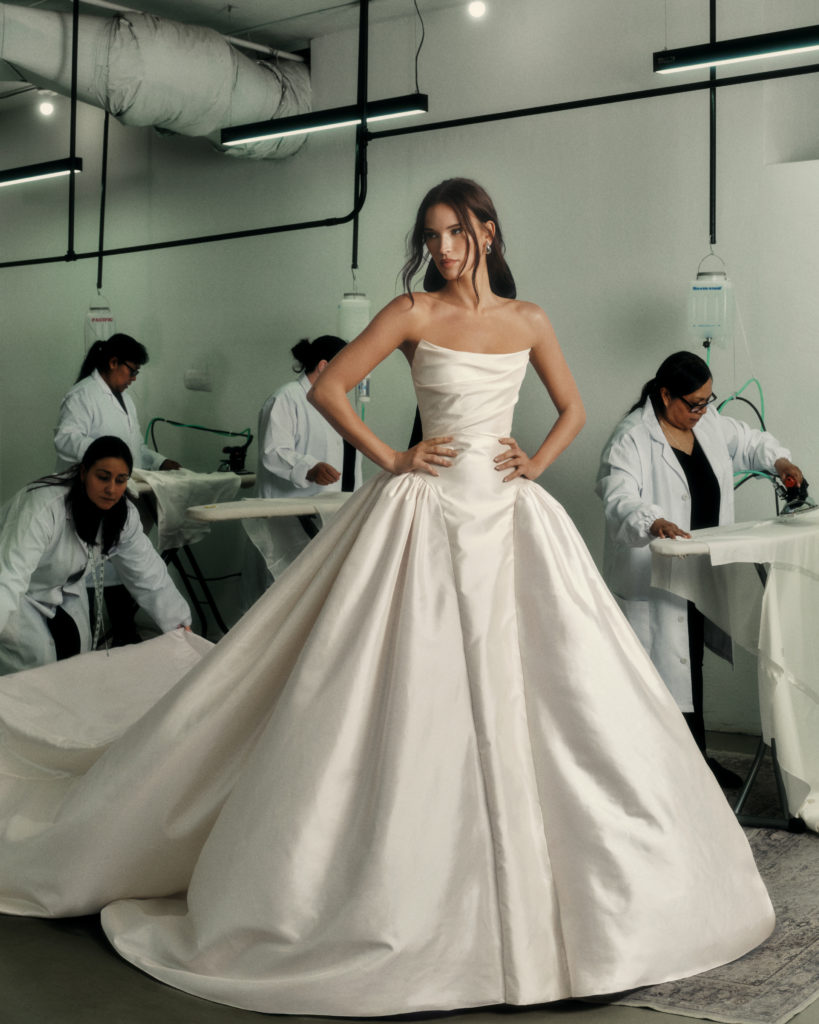
If your gown is heavily structured, consider laying it flat in its box with tissue between the layers to preserve its shape. Always transport the dress upright and handle it carefully during travel, especially if your wedding is abroad.
What's Next
After the celebrations, your gown deserves professional care to preserve its beauty. Arrange for it to be cleaned as soon as possible to prevent stains from setting. Specialist cleaners employ techniques specifically designed for delicate fabrics, lace, and beadwork.
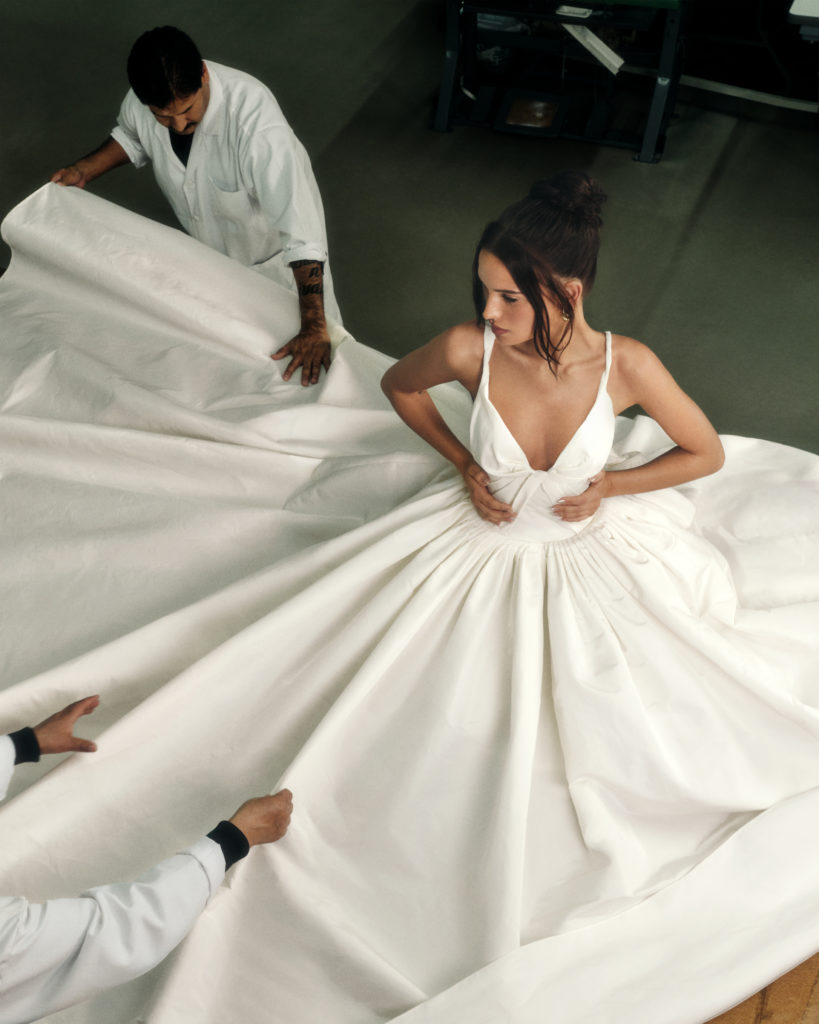
Once cleaned, store your gown in acid-free tissue inside a preservation box, ideally in a climate-controlled environment. That way, it will be perfectly preserved for any future generations that may want to give it another whirl down the aisle.
All images from the Katherine Tash Heritage 2026 collection, available at The White & Gold bridal boutiques in Howth and Kinsale, and at Ivy & White bridal boutique in Belfast.